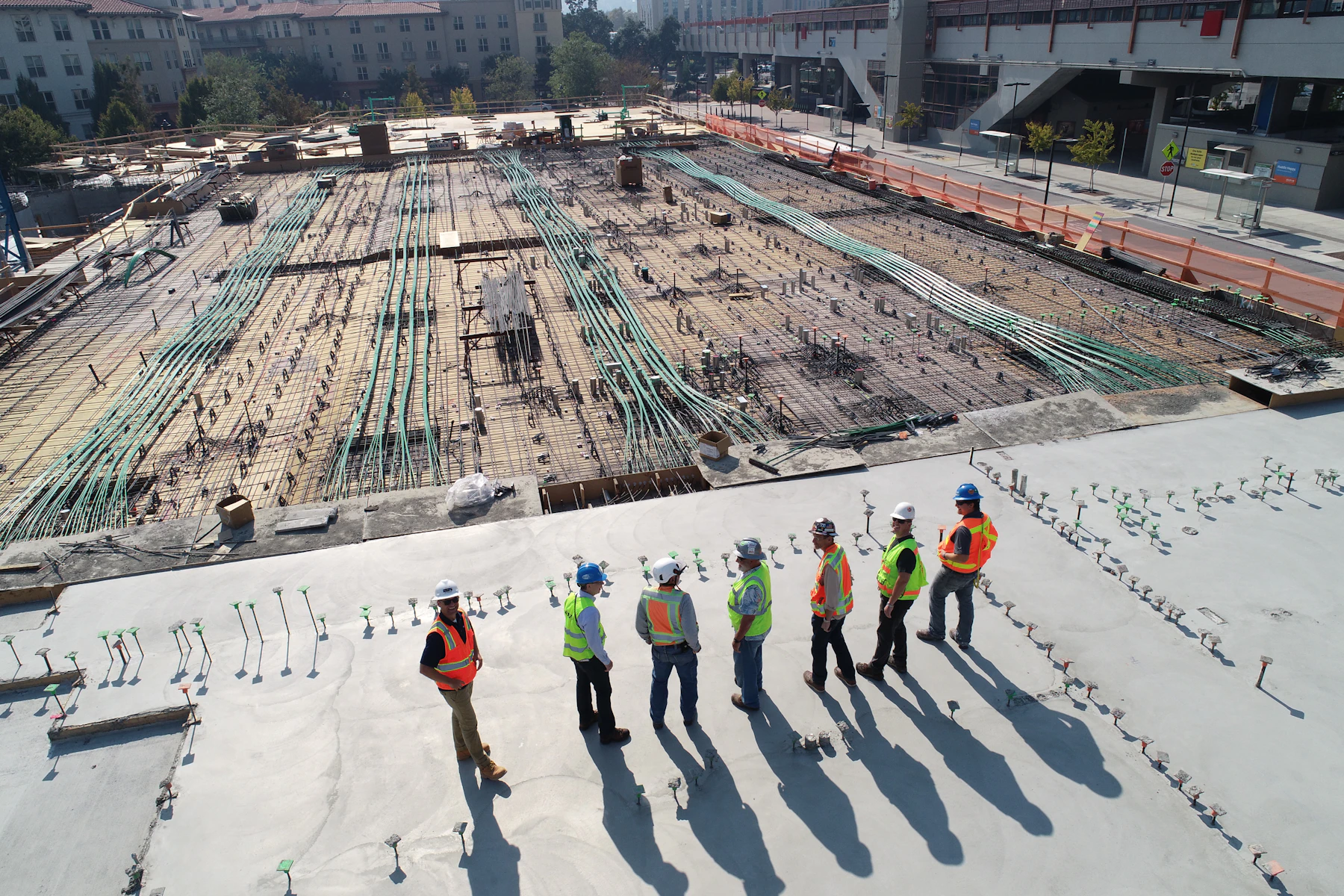
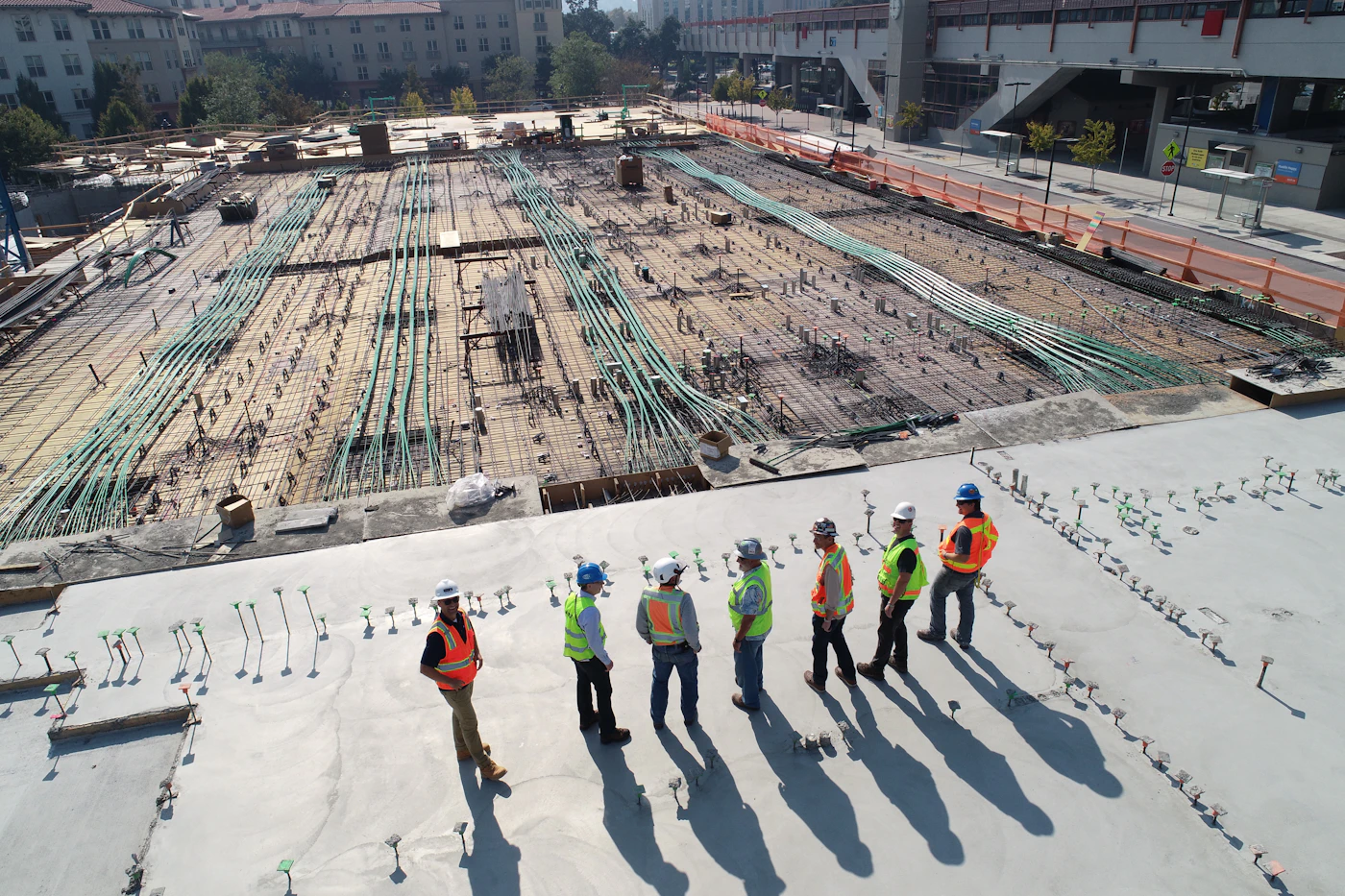
Ghana's construction sector entered 2026 navigating a complex mix of tailwinds and headwinds: a recovering cedi, continued demand in the housing and logistics markets, government infrastructure commitments under the 2025–2030 National Infrastructure Plan, and persistent challenges around project financing and skilled labour supply. Here are the five trends our team is watching most closely.
1. The Affordable Housing Deficit Is Creating Real Opportunity
Ghana's urban housing deficit is estimated at 1.8 million units, with the gap growing fastest in secondary cities — Tamale, Kumasi, Takoradi, and Ho. Government programmes alone cannot close this gap. Private developers who can deliver affordable product at scale, and contractors who can do so efficiently, will find a receptive market for the foreseeable future. The key constraint is land tenure and title — projects that solve this problem attract finance more easily.
2. Infrastructure Finance Is Shifting
The Ghana Infrastructure Investment Fund and Development Finance Institutions including the African Development Bank and IFC are increasingly structuring infrastructure funding through public-private partnerships rather than pure grant or loan mechanisms. This changes the procurement environment significantly — PPP structures favour contractors with strong balance sheets, bankable track records, and the operational capability to maintain as well as build infrastructure over multi-decade concession periods.
3. Supply Chain Localisation Is Becoming a Differentiator
Post-pandemic supply chain volatility and cedi depreciation pressure have accelerated interest in local material sourcing. Contractors who have invested in local supplier relationships and who can credibly demonstrate reduced import dependency are winning procurement evaluations they would previously have lost on price alone. This is a structural shift, not a short-term trend.
4. ESG Requirements Are Entering Procurement
International developers, development finance institutions, and multinational corporate tenants are beginning to require ESG (Environmental, Social, and Governance) compliance from their contractors — not just their own operations. Safety records, environmental certifications, local employment ratios, and gender diversity on site are moving from nice-to-have to required. Contractors who cannot demonstrate ESG performance will find themselves excluded from an increasing share of the market.
5. Workforce Skills Remain the Binding Constraint
Every other trend on this list depends on the availability of skilled construction workers — engineers, project managers, specialist trades, and site supervisors. Ghana's technical and vocational education system is not producing talent at the pace the sector needs. Contractors who invest in internal training programmes and who partner with TVET institutions for talent pipelines will have a genuine competitive advantage as the sector grows.
What This Means for Project Owners in 2026
- Expect procurement processes for public infrastructure to become more rigorous — and more rewarding for contractors who invest in compliance
- Affordable housing remains the sector's largest structural opportunity — but financing solutions must be part of any viable development model
- ESG capability is now a commercial requirement, not a voluntary commitment
- Local material sourcing and workforce development are both risk-reduction strategies and brand differentiators
Bonterra's strategic plan for 2026–2028 is aligned with each of these trends. If you would like to discuss how they affect your specific project or investment, we welcome a conversation with our senior leadership team.